CPAP Machine Guide: Uses, Benefits and How to Choose
What Is a CPAP Machine? (Simple Explanation for Beginners)
What does CPAP stand for?
CPAP stands for Continuous Positive Airway Pressure. A CPAP machine is a medical device designed to deliver a steady stream of air through a mask to keep a person’s airway open during sleep. This constant airflow prevents interruptions in breathing and allows users to maintain normal oxygen levels throughout the night.
Who needs a CPAP machine?
A CPAP machine is most commonly prescribed for people diagnosed with obstructive sleep apnea, a condition where the airway repeatedly collapses or becomes blocked during sleep. Individuals who experience loud snoring, choking during sleep, or excessive daytime fatigue are often evaluated for CPAP therapy. In many cases, doctors recommend it after a sleep study confirms breathing irregularities.
What conditions does it treat? (Sleep apnea explained)
Sleep apnea is a disorder that disrupts normal breathing patterns. The most common form, obstructive sleep apnea, occurs when throat muscles relax excessively and block airflow. A CPAP machine works by maintaining positive pressure in the airway, preventing collapse and ensuring continuous breathing. This not only improves sleep quality but also reduces long-term health risks associated with untreated sleep apnea.
How Does a CPAP Machine Work?
How airflow keeps your airway open
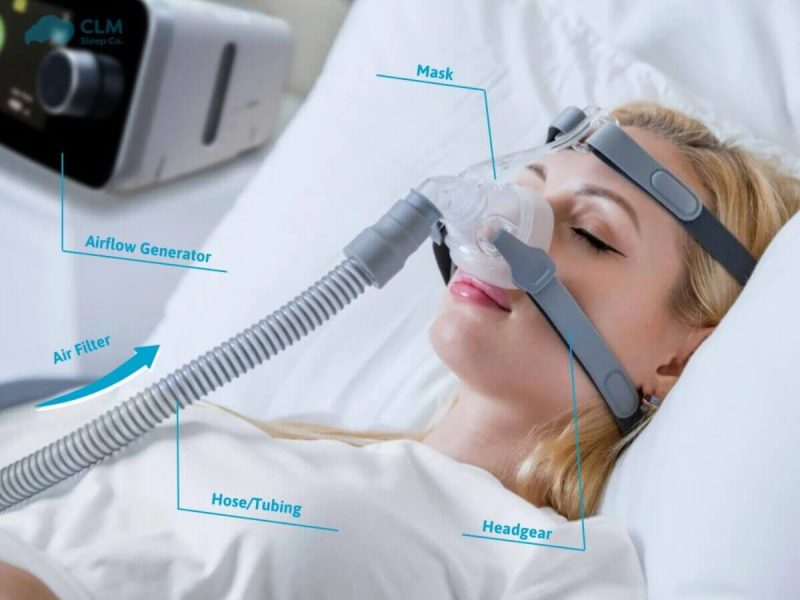
A CPAP machine generates a continuous flow of pressurized air that travels through a tube and into a mask worn over the nose or mouth. This airflow acts as a pneumatic splint, keeping the airway open even when muscles relax during sleep. By preventing airway collapse, the machine eliminates pauses in breathing and stabilizes oxygen levels.
In people with sleep apnea, the airway tends to narrow or close when the body is fully relaxed. The steady air pressure from a CPAP machine gently holds the airway open, allowing normal breathing to continue without interruption. This not only improves oxygen flow but also helps the body stay in deeper, more restorative sleep stages throughout the night.
Key components of a CPAP machine
Mask
The mask is the interface between the user and the machine. It can cover the nose, the mouth, or both, depending on individual needs and comfort preferences. A proper fit is essential to prevent air leaks and ensure effective therapy. Modern masks are designed with soft materials to increase comfort and allow users to sleep more naturally.
Hose (tubing)
The hose connects the machine to the mask and delivers the pressurized air. It is designed to be flexible and durable to allow comfortable movement during sleep. Some models include heated tubing to reduce condensation and maintain a consistent airflow, especially in cooler environments.
Air pump
The air pump is the core of the CPAP machine. It draws in room air, pressurizes it, and sends it through the tubing system at a prescribed pressure level. Many newer machines operate very quietly and may include smart features that adjust airflow based on your breathing patterns.
Humidifier
Many CPAP machines include a built-in humidifier to add moisture to the airflow. This reduces dryness and irritation in the nose and throat, making therapy more comfortable. Adjustable humidity settings allow users to customize their experience based on personal comfort.
What Are the Benefits of Using a CPAP Machine?
Improves sleep quality
One of the most immediate benefits of using a CPAP machine is improved sleep quality. By preventing breathing interruptions, users experience deeper and more restorative sleep cycles. This leads to feeling more refreshed and alert upon waking.
Reduces snoring
Snoring is often caused by partial airway obstruction. CPAP therapy eliminates this obstruction, significantly reducing or even eliminating snoring in most users. This not only benefits the user but also improves sleep quality for their partner.
Prevents health risks (heart disease, fatigue)
Untreated sleep apnea is linked to serious health issues such as high blood pressure, heart disease, and stroke. A CPAP machine helps reduce these risks by maintaining stable oxygen levels and lowering strain on the cardiovascular system over time.
Boosts daytime energy
By improving sleep quality, CPAP therapy helps users feel more alert and energetic during the day. Better rest at night often results in improved focus, productivity, and overall mood.
Are There Any Side Effects of CPAP Machines?
Common problems (dry nose, discomfort)
Some users may experience minor side effects when starting CPAP therapy. These can include nasal dryness, skin irritation from the mask, or a feeling of discomfort due to the air pressure.
How to fix CPAP side effects
Most side effects can be managed with simple adjustments. Using a humidifier can reduce dryness, while choosing the right mask size can prevent leaks and irritation. Gradually increasing usage time can also help users adapt more comfortably.
Tips for first-time users
New users should begin by wearing the mask for short periods while awake to get used to the sensation. Maintaining a consistent sleep routine and ensuring proper equipment fit are key factors in successful adaptation.
Types of CPAP Machines Explained
Standard CPAP vs APAP vs BiPAP
There are several types of CPAP machines available. Standard CPAP machines deliver a fixed pressure throughout the night. APAP machines automatically adjust pressure based on breathing patterns, providing more flexibility. BiPAP machines offer two pressure levels, one for inhalation and a lower one for exhalation, making them suitable for users who require more advanced support.
Which type is best for you?
The choice depends on individual needs and medical recommendations. While standard CPAP machines are effective for many users, those with varying pressure requirements may benefit from APAP or BiPAP devices.
How to Choose the Best CPAP Machine (Buying Guide)
Key features to look for
When selecting a CPAP machine, it is important to consider several features. Pressure settings should match your prescribed needs. Noise level is another critical factor, as quieter machines improve sleep comfort. Portability is essential for frequent travelers, while a built-in humidifier enhances overall comfort.
CPAP machine for travel vs home use
Travel-friendly CPAP machines are typically smaller and lighter, making them easy to carry. However, home-use machines often offer more advanced features and greater customization.
Budget vs premium models
CPAP machines vary widely in price. Budget models provide essential functionality, while premium models offer advanced features such as automatic pressure adjustment, integrated humidifiers, and data tracking capabilities.
How Much Does a CPAP Machine Cost?
Average price range
The cost of a CPAP machine can range from a few hundred to over a thousand dollars, depending on the type and features included. In Vietnam, prices are typically listed in VND and vary based on brand, technology, and included accessories.
On the Vietnamese market, a standard CPAP machine usually falls within the range of 22,000,000 VND to 43,000,000 VND. Basic models with fixed pressure and minimal features are often at the lower end, while advanced devices such as Auto CPAP (APAP) or BiPAP machines with smart tracking, humidifiers, and noise reduction can cost significantly more.
In addition to the main device, users should also consider the cost of accessories such as masks, tubing, filters, and replacement parts. These can add to the total investment over time, especially since some components need to be replaced periodically to maintain performance and hygiene.
Insurance coverage
In many cases, health insurance plans cover part or all of the cost of a CPAP machine, especially when prescribed by a doctor. However, in Vietnam, coverage policies can vary widely depending on whether you are using public health insurance or private insurance services.
Some private insurance providers may reimburse part of the cost if sleep apnea has been officially diagnosed through a sleep study. Public healthcare support is more limited, and patients often need to pay upfront before seeking reimbursement if applicable.
Because policies differ, it is important to check directly with your insurance provider or medical supplier to understand what portion of the cost may be covered and what documentation is required.
Is it worth the investment?
For individuals with sleep apnea, a CPAP machine is a valuable investment in long-term health. While the upfront cost may seem high, the benefits of improved sleep quality, better daytime functioning, and reduced risk of serious conditions such as heart disease or hypertension make it a worthwhile choice.
Consistent use of a CPAP machine can also reduce indirect costs related to poor sleep, such as decreased productivity, frequent medical visits, and long-term health complications. When viewed from this perspective, investing in a reliable CPAP machine is not just about comfort, but also about protecting overall health and quality of life over time.

How to Use a CPAP Machine (Step-by-Step Guide)
How to set up your CPAP machine
Setting up a CPAP machine involves connecting the tubing to the device, filling the humidifier with distilled water if applicable, and attaching the mask securely. Before turning the machine on, it is important to place it on a stable surface near your bed and ensure all connections are tight.
Most devices are designed to be user-friendly, so the setup process is usually quick and straightforward. Taking a few minutes to check the airflow and settings before sleep can help avoid interruptions during the night and ensure the therapy works effectively from the start.
How to wear the mask correctly
The mask should fit snugly without being too tight. Adjust the straps to ensure a proper seal while maintaining comfort. A well-fitted mask prevents air leaks, which can reduce the effectiveness of the therapy and cause noise or discomfort.
It is also helpful to test the fit while lying in your usual sleeping position, as this can affect how the mask sits on your face. Over-tightening should be avoided, as it may lead to skin irritation or pressure marks. The goal is a balanced fit that feels secure but still comfortable enough for long-term use.
First night tips for beginners
During the first night, it is normal to feel unfamiliar with the device. Relaxation techniques and consistent use can help ease the transition and improve comfort over time. Starting by wearing the mask for short periods before bedtime can help your body adapt more quickly.
It is also important to be patient, as adjusting to CPAP therapy may take a few days or even weeks. Keeping a consistent sleep routine and using the machine every night will make the transition smoother and improve overall results.
CPAP Cleaning and Maintenance Guide
How often should you clean it?
Regular cleaning is essential to maintain hygiene and performance. Masks and tubing should be cleaned frequently to prevent buildup of bacteria and allergens. Keeping the equipment clean not only protects your health but also ensures the machine continues to function properly over time.
A consistent cleaning schedule helps reduce the risk of infections and keeps the airflow fresh and comfortable. Even simple daily care can make a noticeable difference in the overall experience.
Daily vs weekly cleaning routine
Daily cleaning typically involves rinsing the mask and emptying the humidifier. Weekly maintenance includes more thorough cleaning of all components. This may involve washing the tubing, mask, and water chamber with mild soap and allowing them to air dry completely.
Following a regular routine helps extend the lifespan of the equipment and maintains consistent performance. It also prevents unpleasant odors and buildup that could affect air quality.
What happens if you don’t clean it?
Neglecting cleaning can lead to bacterial growth, unpleasant odors, and potential health risks. Over time, dust and moisture can accumulate inside the components, reducing the effectiveness of the machine and potentially causing respiratory irritation.
Proper maintenance ensures the machine operates effectively and safely. It also improves comfort, making it easier to stick with therapy in the long run.
Frequently Asked Questions About CPAP Machines (FAQ)
Do I need a prescription for a CPAP machine?
Yes, most CPAP machines require a prescription from a healthcare provider. This ensures the device is set to the correct pressure level for your needs and that the therapy is both safe and effective.
Can I travel with a CPAP machine?
CPAP machines are designed to be portable, and many models are approved for air travel. Some are specifically built for frequent travelers, with compact designs and travel-friendly features that make them easy to carry and use on the go.
How long does a CPAP machine last?
With proper care and maintenance, a CPAP machine can last several years. Individual components such as masks and tubing may need to be replaced more frequently to maintain optimal performance and hygiene.
Is CPAP uncomfortable to use?
While some users experience initial discomfort, most adapt over time. Proper mask fitting and gradual use can significantly improve comfort, and many users find the benefits outweigh the early adjustment period.
What happens if I stop using CPAP?
Stopping CPAP therapy can lead to the return of sleep apnea symptoms, including poor sleep quality and increased health risks. Consistent use is important to maintain the benefits and protect long-term health.
Final Thoughts: Is a CPAP Machine Right for You?
A CPAP machine is one of the most effective treatments for sleep apnea and related breathing disorders. It offers significant improvements in sleep quality, overall health, and daily functioning. By maintaining a steady airflow throughout the night, it helps eliminate breathing interruptions that can silently impact both short-term energy levels and long-term health.
For many users, the benefits become noticeable within a relatively short time. Better sleep often leads to improved concentration, a more stable mood, and higher productivity during the day. Over the long term, consistent CPAP use can also reduce the risk of serious conditions such as high blood pressure, cardiovascular disease, and chronic fatigue. These outcomes make CPAP therapy not just a sleep solution, but an important part of overall health management.
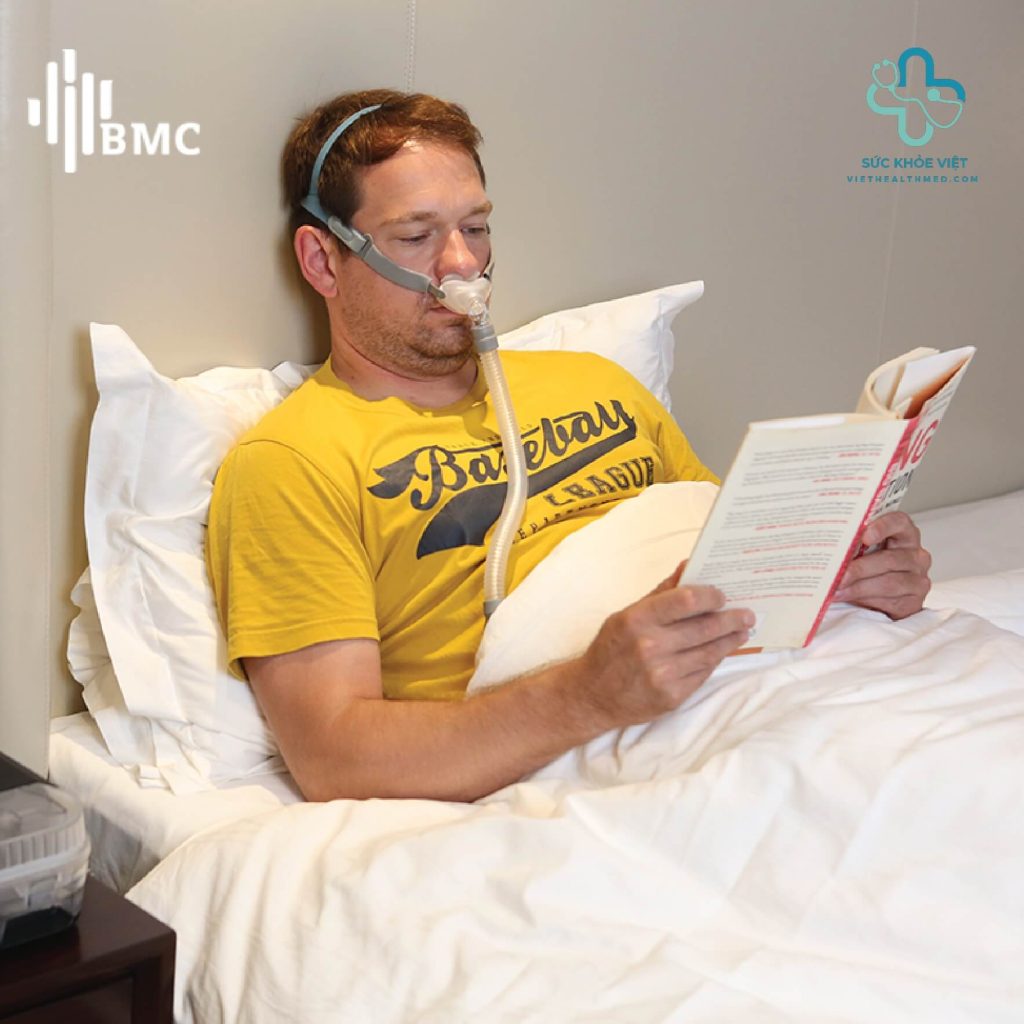
That said, adapting to a CPAP machine is not always immediate. Some users may find it unfamiliar or slightly uncomfortable at first, especially during the first few nights. However, with the right mask fit, proper settings, and a bit of patience, most people gradually adjust. Establishing a consistent routine and using the machine every night plays a key role in achieving the best results.
It is also important to consider that CPAP therapy works best when it is tailored to individual needs. Factors such as the severity of sleep apnea, personal comfort preferences, and lifestyle all influence whether this treatment is the right choice. This is why consulting a healthcare professional or sleep specialist is essential. A proper diagnosis and guidance ensure that the machine is set correctly and used effectively.
In the end, a CPAP machine is not just a device, but a long-term investment in better sleep and better health. For those experiencing symptoms of sleep apnea, taking the step to explore CPAP therapy can lead to meaningful improvements in quality of life.